Are you wondering if dental implants and gum disease can go together? If you have missing teeth but also have a history of gum problems, you may be unsure whether implants are still an option. The good news is that having gum disease does not automatically mean you cannot get implants. However, active infection and poor gum health may need attention before dental implant treatment begins.
At Cypress Hockley Dental, patients can receive personalized guidance based on their gum health, bone condition, and overall oral health. Understanding how dental implants and gum disease may affect implant candidacy can help you make a more informed decision about replacing missing teeth. Treating gum disease, improving oral hygiene, and checking the supporting bone are important steps when planning dental implants after gum disease.
How Does Gum Disease Affect Dental Implants?
Dental implants and gum disease are closely connected because healthy gums and supporting bone are important for implant treatment. Active gum disease can cause inflammation and bone loss, which may increase the risk of dental implants with gum disease.
How Can Gum Disease Affect Implants?
- Gum inflammation: Infection can create an unhealthy environment around an implant.
- Bone loss: Periodontal disease can reduce the bone needed to support an implant.
- Higher complication risk: A history of gum disease may increase the risk of peri-implantitis.
- Need for treatment: Gum disease may need to be controlled before implant placement.
- Ongoing care: Good oral hygiene and regular check-ups help protect implant-supported teeth.
Your dentist may evaluate your gum health and bone support before recommending dental implants with periodontal disease.
Can You Get Dental Implants After Gum Disease Treatment?
Yes, many patients may be able to get dental implants after gum disease has been treated and brought under control. A dentist will check your gum health, bone support, oral hygiene, and overall dental implant eligibility before recommending treatment.
What Is Checked Before Implants?
- Healthy gums: Gum inflammation and infection should be controlled.
- Bone support: The jawbone is assessed to determine if it can support the implant.
- Oral hygiene: Good daily plaque control is important for long-term implant care.
- Healing and stability: Your dentist may allow time for gum tissues to heal before implant placement.
- Individual health factors: Your overall oral health and treatment needs are considered.
With proper periodontal treatment before implants and regular maintenance, patients with a history of gum disease may still have suitable dental implant candidacy.
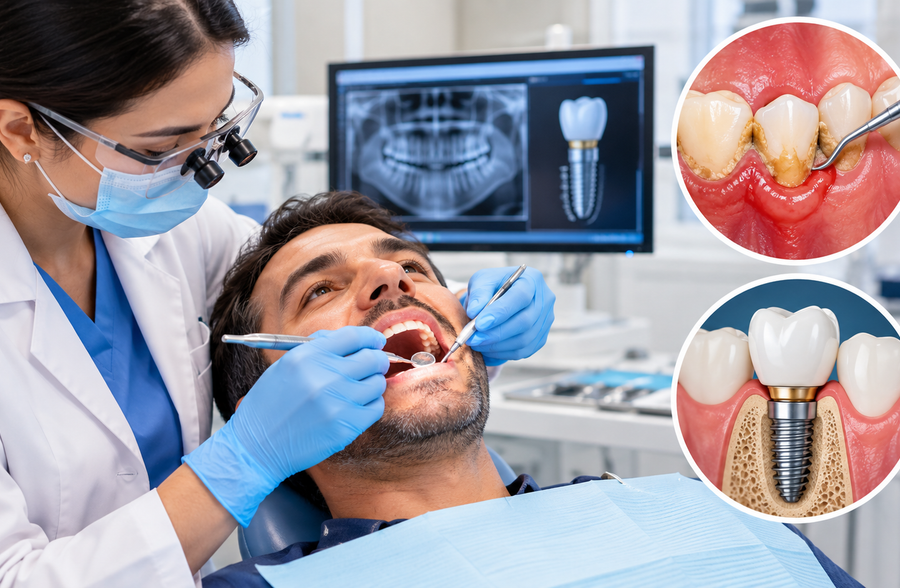
Does Gum Disease Cause Bone Loss That Affects Dental Implants?
Yes, advanced gum disease can cause bone loss from gum disease, which may affect whether there is enough bone to support a dental implant. This is why checking bone health is an important part of dental implant candidacy.
How Does Bone Loss Affect Implants?
- Less bone support: Periodontal disease can reduce the bone around missing or affected teeth.
- Implant placement: Significant bone loss may make implant placement more complex.
- Bone evaluation: CBCT and 3D imaging can help assess the available bone.
- Bone grafting: Some patients with insufficient bone may be considered for bone grafting for dental implants.
- Personalized planning: Your dentist can recommend an approach based on your gum and bone health.
Having bone loss does not always mean you cannot get dental implants with bone loss. A detailed dental evaluation can help determine the most suitable treatment option.
About Cypress Hockley Dental
At Cypress Hockley Dental, patients receive personalized guidance for dental implants in Cypress TX, including evaluation of gum and bone health. Advanced digital imaging, CBCT, and 3D imaging support detailed treatment planning.
Dr. Neha Gupta, DMD, BDS, is a University of Pennsylvania graduate with 10+ years of dental experience. Patients can discuss their dental implant candidacy, gum health, and treatment options based on their individual needs.
When Should You Talk to a Dentist About Dental Implants?
If you have missing teeth and a history of gum disease, it is a good idea to discuss dental implants with a dentist before choosing a tooth replacement option. An evaluation can help determine your gum health, bone support, and dental implant candidacy.
Consider scheduling a dental implant consultation if you have:
- Missing teeth and want a long-term replacement option
- A history of gum disease or periodontal treatment
- Concerns about bone loss
- Loose or shifting teeth
- Bleeding, swollen, or receding gums
- Questions about dental implants and gum disease
A dentist can assess your oral health and explain whether dental implants in Cypress TX are suitable for your needs.
Why Choose Cypress Hockley Dental for Dental Implants and Gum Disease?
Choosing the right dental team can make dental implants and gum disease treatment in Cypress easier to understand and plan. Cypress Hockley Dental focuses on personalized care, modern dental technology, and clear treatment guidance to help patients make informed decisions about replacing missing teeth.
- Personalized treatment plans: Treatment recommendations are tailored to your oral health, gum condition, bone support, individual needs, and long-term goals.
- Advanced imaging: CBCT and 3D imaging help assess bone structure and support detailed dental implant planning.
- Comfort-focused care: Anesthesia options and pain-control methods help make treatment more comfortable for patients.
- Clear treatment information: Patients receive transparent guidance about recommended procedures, treatment steps, and costs before moving forward.
- Comprehensive dental care: Dental implant and restorative services are available under one roof, making it easier to discuss different tooth replacement options.
- Experienced dentist: Dr. Neha Gupta, DMD, BDS, is a University of Pennsylvania graduate with more than 10 years of dental experience.
- Follow-up support: Follow-up visits help monitor healing and provide guidance on maintaining healthy gums and caring for dental implants.
This patient-focused approach helps individuals explore dental implants and gum disease in Cypress TX based on their oral health, comfort, and long-term dental needs.

Schedule a Dental Implant Consultation in Cypress
Have missing teeth and a history of gum disease? Schedule a dental implant consultation with Cypress Hockley Dental to discuss your gum health, bone support, and tooth replacement options. A personalized evaluation can help determine whether dental implants and gum disease in Cypress TX may be suitable for your needs.
Contact Information
Cypress Hockley Dental
Address: 27160 US-290, Suite 206, Cypress, TX 77433
Phone: +1 (832) 345-1669 | (832) 532-6537
Email: info@cypresshockleydental.com
Conclusion
Having gum disease does not automatically mean you cannot get dental implants. Dental implants and gum disease require careful planning because healthy gums and adequate bone support are important for successful treatment. Treating active gum disease, maintaining good oral hygiene, and attending regular dental check-ups can help support long-term implant health.
If you have missing teeth and a history of periodontal disease, Cypress Hockley Dental can help you understand your dental implant candidacy and explore suitable treatment options based on your oral health.
FAQs – Dental Implants and Gum Disease: Can You Still Get Implants?
Q1. Can you get dental implants with gum disease?
Ans. Yes, but active gum disease usually needs to be treated and controlled before implant placement.
Q2. Can you get dental implants after gum disease treatment?
Ans. Yes, many patients may qualify once their gum health is stable and their bone support is adequate.
Q3. Does gum disease increase the risk of dental implant failure?
Ans. A history of periodontal disease may increase the risk of implant complications, especially if gum disease is not controlled.
Q4. Do you need to treat gum disease before dental implants?
Ans. Yes, active gum disease generally needs treatment before implant placement to support healthier healing.
Q5. Can you get dental implants if you have bone loss?
Ans. Possibly. Your dentist will assess your available bone, and bone grafting may be an option in some cases.